Building a 3D Shadow Box
A 3D shadow box is a creative way to display objects, photographs, or art in a layered, dimensional format. It combines depth and shadow to create a visually striking presentation that can be used for personal projects, professional displays, or commercial purposes. Whether you're an artist, a teacher, or a small business owner, building a 3D shadow box offers a unique way to showcase your work or ideas.
What Is a 3D Shadow Box?
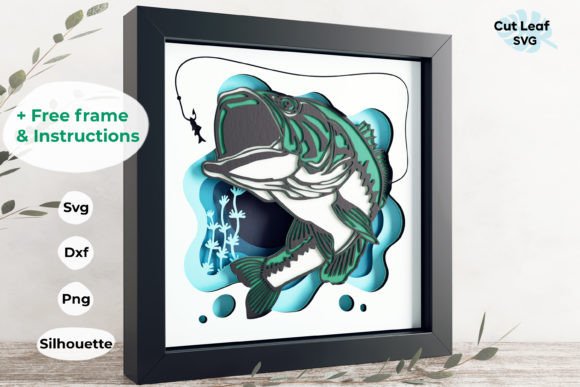
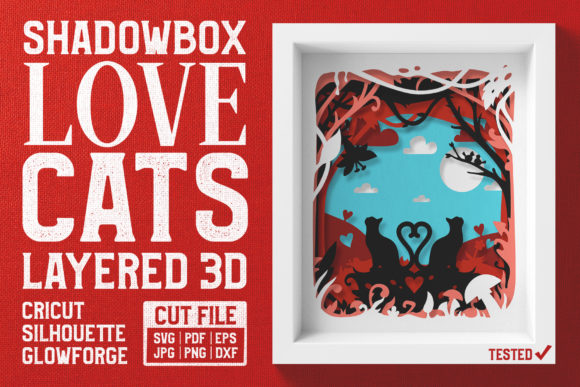
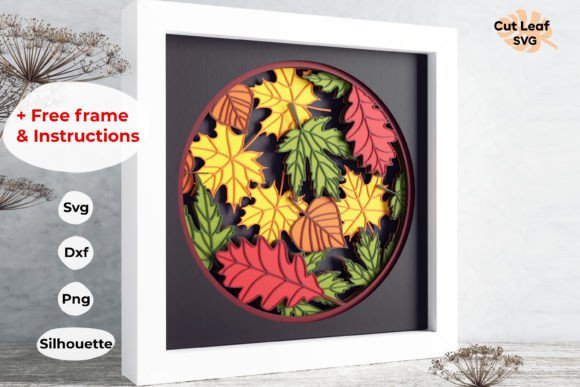
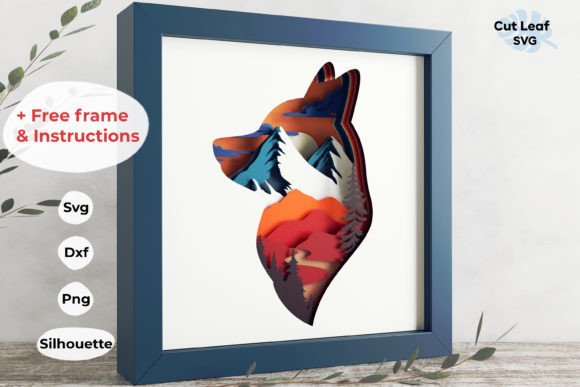
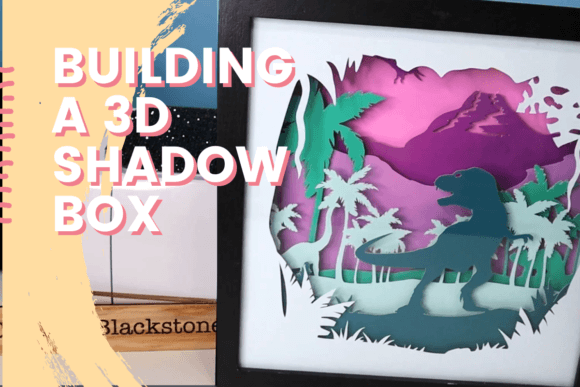
A 3D shadow box typically consists of multiple layers that are mounted behind a transparent or semi-transparent panel, such as glass or acrylic. These layers are arranged to create the illusion of depth, with each element positioned at different distances from the viewer. The result is a three-dimensional effect that draws attention and adds visual interest.
The construction involves cutting and assembling materials like wood, foam board, or cardboard. You then add details such as lighting, textures, and backgrounds to enhance the overall look. This process allows for customization based on the purpose of the box and the preferences of the creator.
Why Different Audiences Care About Building a 3D Shadow Box
While the concept of a 3D shadow box may seem niche, its applications span across various fields and interests. For example, artists might use it to display their work in galleries or online portfolios, while educators could use it to create interactive learning tools for students. Entrepreneurs might incorporate it into product displays to attract customers, and hobbyists may enjoy the creative challenge of building one from scratch.
Each group approaches the project with different goals in mind. A beginner might focus on simplicity and ease of use, while a professional might prioritize quality and durability. Understanding these differences helps readers determine whether building a 3D shadow box aligns with their needs and skill level.
How Beginners Can Benefit From Building a 3D Shadow Box
For those new to crafting or design, building a 3D shadow box can be an excellent starting point. It introduces basic concepts of spatial arrangement, material selection, and visual storytelling. Beginners can start with simple designs using affordable materials like cardboard and craft supplies, gradually moving to more complex projects as they gain confidence.
One practical example is creating a shadow box to display family photos or travel souvenirs. This project requires minimal tools and can be completed in a few hours. It also provides a sense of accomplishment and a tangible result that can be shared with others.
Why Professionals Might Value a 3D Shadow Box
Professionals in fields like graphic design, architecture, or retail often seek ways to present their work in innovative formats. A 3D shadow box can serve as a powerful tool for showcasing prototypes, models, or marketing materials. Its ability to highlight details and create a focal point makes it ideal for trade shows, exhibitions, or client presentations.
For instance, a designer might build a shadow box to demonstrate a product concept to potential investors. A retailer could use it to create an eye-catching display that stands out in a crowded market. In both cases, the project's success depends on precision, creativity, and attention to detail.
Flexibility and Customization Options
One of the greatest advantages of a 3D shadow box is its flexibility. It can be tailored to fit specific themes, styles, or functions. Whether you're creating a minimalist display or a highly detailed scene, the design possibilities are nearly endless. This adaptability makes it appealing to a wide range of users, from DIY enthusiasts to commercial creators.
Materials can vary from budget-friendly options like foam board to high-end materials like laser-cut wood or metal. Lighting choices also play a key role in the final outcome, allowing for dramatic effects or subtle illumination depending on the desired mood.
How Educators Can Use a 3D Shadow Box
Teachers and educators can leverage 3D shadow boxes to make lessons more engaging and interactive. For subjects like history, science, or art, these boxes can help students visualize complex concepts or historical events. They can also be used to create classroom displays that encourage creativity and critical thinking.
An example is using a shadow box to illustrate the layers of the Earth, with each layer representing a different geological section. Another idea is to create a mini museum exhibit that showcases local culture or environmental issues. These projects not only reinforce learning but also provide hands-on experience with design and construction.
Business Owners and the Commercial Value of a 3D Shadow Box
Small business owners, especially those in the arts, crafts, or retail industries, can benefit from incorporating 3D shadow boxes into their offerings. These displays can be sold as unique home decor items, used in store windows to attract customers, or even customized for special events like weddings or corporate functions.
From a business perspective, the value lies in both the product itself and the brand image it represents. A well-crafted shadow box can differentiate a business from competitors and create a memorable impression with clients. Additionally, it offers an opportunity for customization, which can increase customer satisfaction and loyalty.
Consumers and the Appeal of a 3D Shadow Box
For consumers, a 3D shadow box can be a meaningful way to preserve memories, express personal style, or support local artisans. Many people enjoy the idea of having a personalized display that reflects their interests or experiences. Whether it's a shadow box filled with childhood mementos or a custom piece created by a local maker, the emotional value can be significant.
Some consumers may also appreciate the aesthetic appeal of a shadow box, using it as a decorative element in their homes or offices. Its ability to blend form and function makes it a versatile choice for those looking to add character to their space.
Final Thoughts: Is Building a 3D Shadow Box Right for You?
Whether you're a beginner, a professional, or somewhere in between, building a 3D shadow box can be a rewarding experience. It offers a balance of creativity, practicality, and personal expression, making it suitable for a variety of goals and interests. Consider your priorities—such as cost, time, and complexity—and choose a project that aligns with your skills and objectives.
If you're looking for a way to bring your ideas to life or create something that stands out, a 3D shadow box may be the perfect solution. With the right approach, it can become a valuable addition to your creative or professional toolkit.